Africa - the Beginning
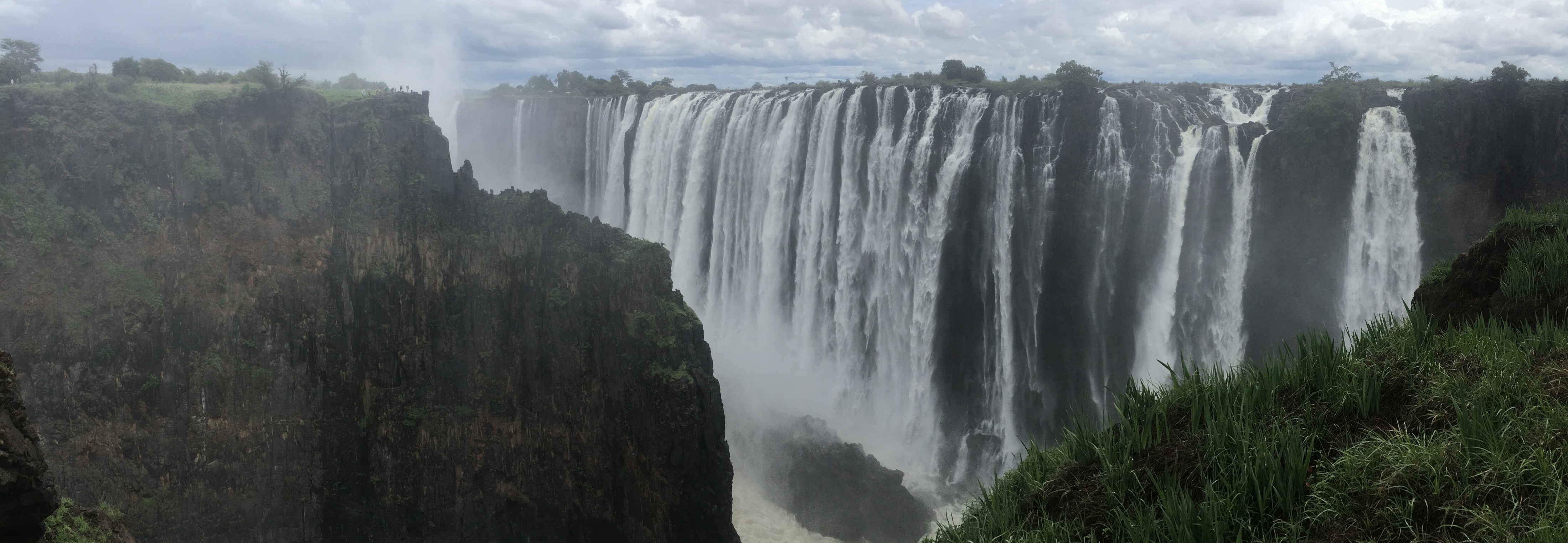
Where it began
RafikiArdhi grew out of years of soil research on the rooi (red) plane of Stellenbosch University, teaching and agricultural extension across Africa. From university-based work in South Africa to working alongside farmers throughout southern, central and eastern Africa, these experiences shaped a belief that scientific knowledge should support both ecosystem and human wellbeing.
The work continues through practical tools and approaches that make science more accessible, locally relevant and useful for the people who depend on the land.
The land
The complexity of Africa’s landscapes and soil is sometimes hidden beneath the surface, but a hike into the Cape Fold Belt can reveal the beauty and intricacy of the land.
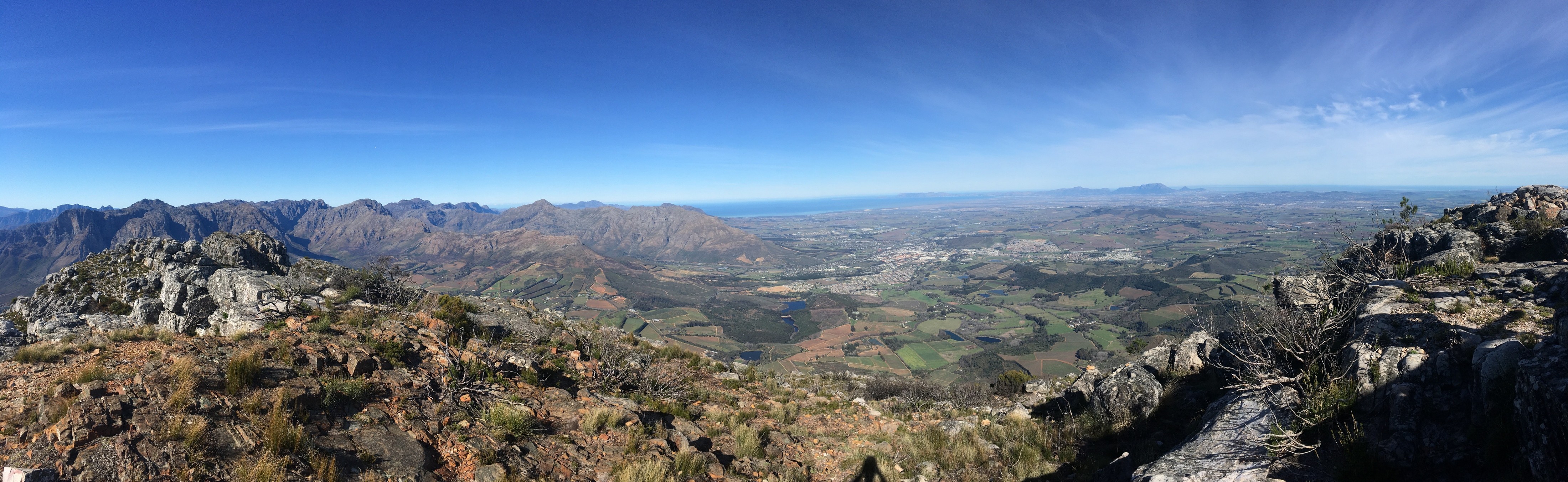
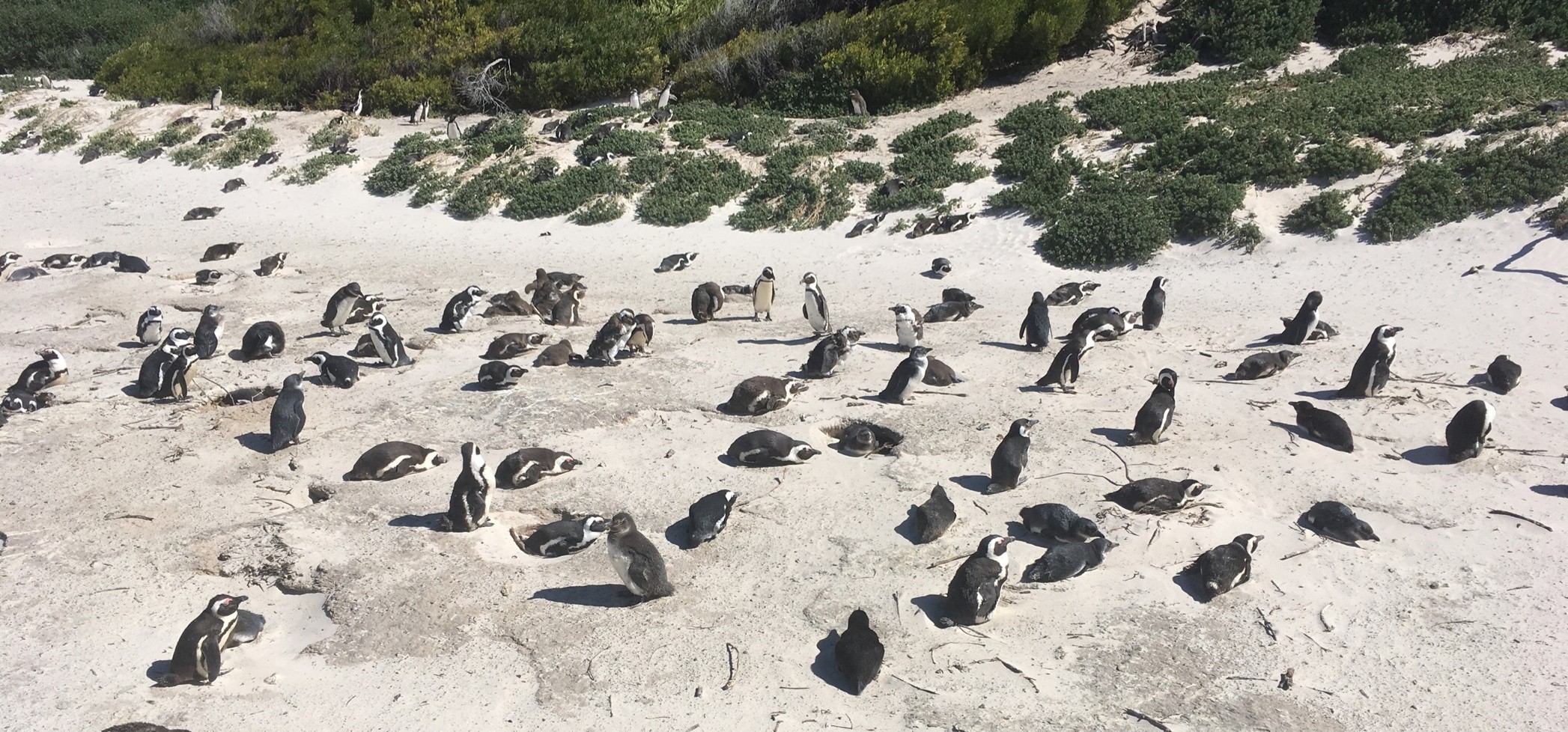
From a mountain summit, you can begin to appreciate the geological history that shaped these landscapes. It can also boggle the mind that penguins live just a 45-minute drive from the cliffs of Muizenberg.
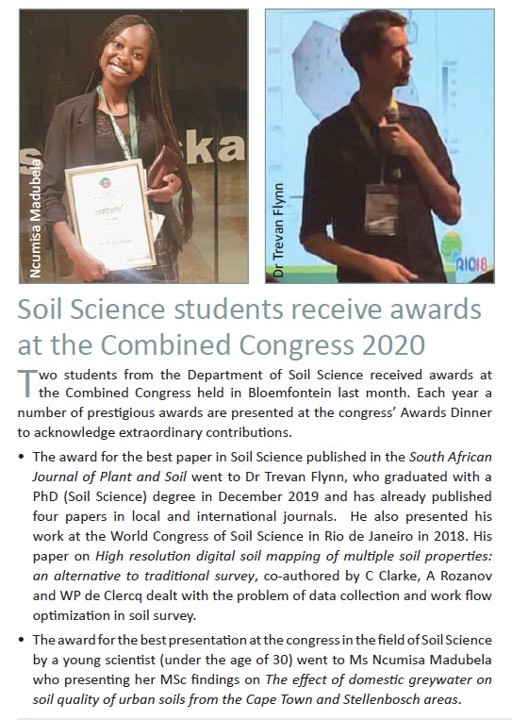
The academic and environmental setting of Stellenbosch provides an ideal place to develop scientific skills while learning why they matter beyond the university. This setting brought awards to the people who helped build RafikiArdhi in its early research, and the chance to do research while seeing why it matters.
The people
Blessed by diversity and contrasts, Africa offers people from every background and experience to learn from. From waking early to collect water for the day to shopping at the local market, everyday life is shaped by community. Collaboration happens naturally, often without anyone thinking of it as collaboration. Bringing ideas together is part of the day, not a job.
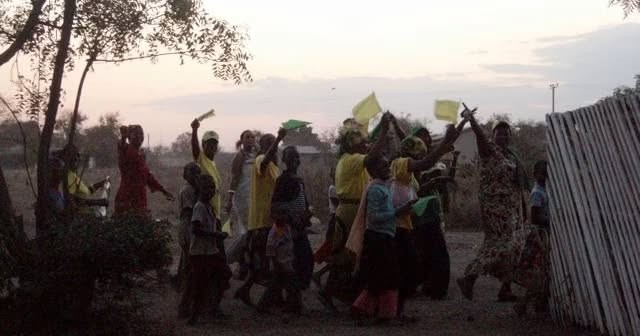
We learned geostatistics in Zambia, community-based agriculture in Malawi, agricultural policy in Namibia, sustainable agricultural intensification in South Africa, the importance of smallholder farms in Tanzania, dryland water management in Kenya and the value of agricultural extension on highly leached soil in the Democratic Republic of the Congo. None of these lessons stands alone. This community thinking gave us the opportunity to base our research on increasing access to information and digital soil mapping for farms, aspects that were rarely researched at the time.
The people and cultures are diverse, but the creative freedom to learn, adapt and bring ideas together remains the same.
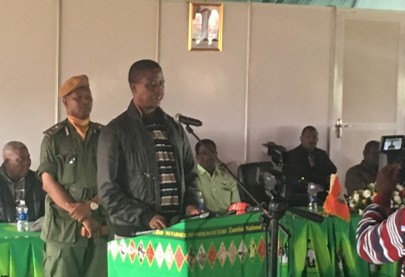
Where connections were built, and still last.
The work doesn’t end when a project does, or when we leave a place. Ideas travel, collaborations continue, and lessons from one landscape find meaning in another. The connections built through research, teaching, and shared experiences across Africa continue to shape how we approach scientific problems today. RafikiArdhi carries that spirit forward: bringing knowledge together, making tools accessible, and creating space for new ideas to grow.
We continue to work with people connected to organisations such as Phyla Earth in Lusaka, Zambia; Stellenbosch University in South Africa; Zambia Institute of Agriculture in Ndola, Zambia; and the International Institute of Tropical Agriculture, with work across West and East Africa.
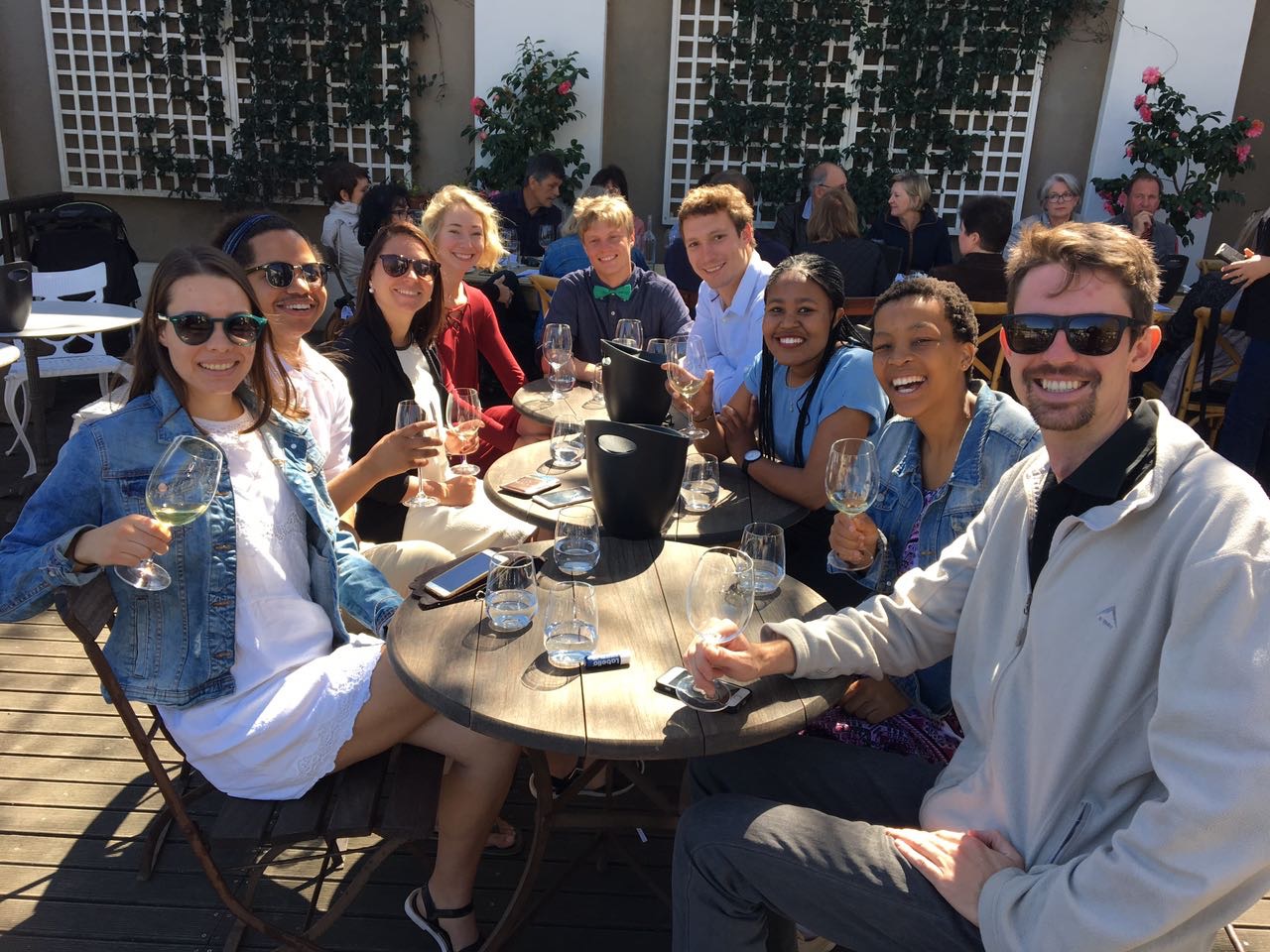
These relationships are not maintained simply for commercial gain. They endure because research is a collective effort, built on cumulative knowledge and the contributions of many people. It takes a village.